How To Create Compelling Beauty Blog Content
Creating content for a beauty blog can seem pretty overwhelming at first. There are so many products, trends, and techniques out there, it’s easy to wonder where to even start. I remember when I first launched my beauty blog—I spun my wheels for weeks before finding a direction that felt true to me and actually resonated with readers.
Great beauty content goes beyond just sharing product reviews or makeup looks. It’s about delivering value, showing personality, and keeping things relatable. If you’re interested in growing your beauty blog or you’re just starting out, I’ve picked up quite a few practical tips that make your content more compelling, and I’m breaking them down step by step.
This guide covers how to create truly engaging beauty blog content, from brainstorming ideas to keeping readers coming back for more. I’m including useful advice, actionable steps, and a handful of real examples you can use for inspiration to make your blog stand out.
Step 1: Find Your Beauty Blog Niche
The beauty world is huge. Skin care, makeup, hair care, nails, trends, and so much more. If you try covering it all, your blog can end up feeling scattered. I found that narrowing down to a smaller niche helped me stand out and attract the right kind of readers.
Questions to Help Define Your Niche:
- Which beauty topics excite you the most?
- Do you have personal experience with specific products (such as crueltyfree, green beauty, or budgetfriendly finds)?
- What feedback or questions do friends and family ask you about beauty?
- Is there an audience that feels overlooked in the beauty space?
Popular niches include sensitive skin routines, luxury makeup reviews, DIY natural beauty, K-beauty, drugstore dupes, and hairstyles for busy mornings. Picking a niche lets you dig into a subject, share your own experiences, and create a trustworthy space online that attracts like-minded readers.
Step 2: Plan Your Beauty Blog Content Like a Pro
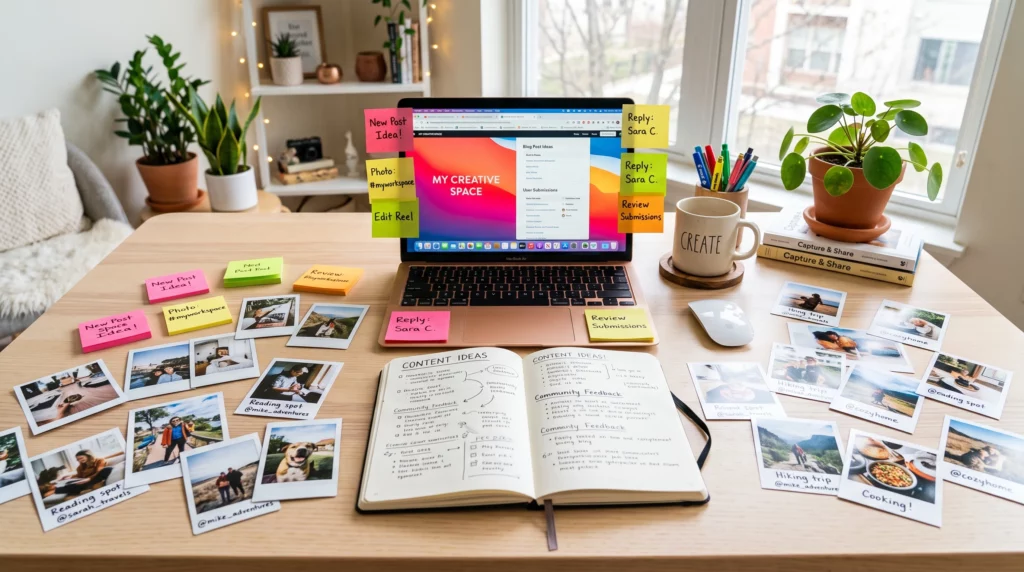
Consistency is really important for blog growth, but it also helps you organize your ideas and avoid lastminute writer’s block. I use a free online content calendar, such as Google Sheets or Trello, to keep track of post topics, deadlines, and seasonal ideas.
How to Build a Beauty Blog Content Calendar:
- Write out a list of topics you want to cover in the next two months.
- Factor in seasonal changes and trends (for example, summer skincare or winter makeup looks).
- Mix in post types like tutorials, product reviews, lists (top mascaras, best SPF moisturizers), and personal beauty stories.
- Leave room for timely posts or collaborations with brands and influencers for wider reach.
I like to brainstorm once a month so I can batch ideas and stay ahead. This keeps my posts fresh and ensures I’m not scrambling for content at the last minute. Plus, planning in advance lets you take advantage of seasonal launches and events in the beauty world.
Step 3: Craft Relatable, Honest Content
Readers can tell when a review or tutorial feels forced. I always aim for honesty—even if a product doesn’t work out for me. Sharing both the good and the bad helps people trust my opinions and come back for my next review or tip.
Tips to Make Content Relatable:
- Share your own experiences: Did a product cause a breakout? Did a trick finally help with frizzy hair?
- Avoid copying press releases or sounding too much like an ad.
- Use clear, simple language—no need for overly technical jargon.
- Add personal touches, like a quick “here’s what happened when I tried this” note.
My readers always respond best when I share little stories. For instance, the time I got an unexpected selftanning streak or tested waterproof mascara at the pool and came out with raccoon eyes. Readers remember those stories and relate to them, making your blog more memorable.
Step 4: Use Quality Photos and Visuals
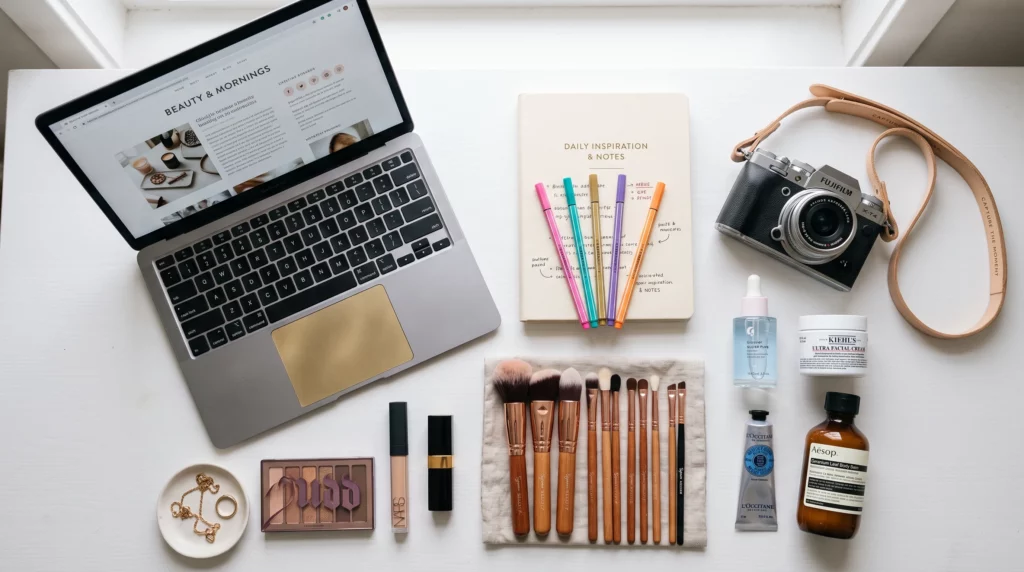
In beauty blogging, photos do a lot of the talking. You don’t need a fancy camera; even a modern smartphone and good natural lighting will get the job done. Clear beforeandafter shots, closeups of textures, and stepbystep pictures make tutorials easier to follow.
Photo Tips That Make a Big Difference:
- Take photos near a window for soft, natural lighting.
- Use a plain background—a clean desk, simple cloth, or blank wall works well.
- Show products after use so people know you’re not just posing with unopened boxes.
- No need to stress about perfection! Reallife photos feel more trustworthy than heavily edited shots.
If you want to go the extra mile, short GIFs or video clips allow viewers to see how a product performs in real time. Behindthescenes snaps can also bring your blog to life and invite readers into your process.
Step 5: Answer Real Reader Questions
Some of my best posts come straight from questions I’ve heard repeatedly. When someone asks about fixing a makeup mistake, choosing the right hair mask, or finding gentle skincare for allergies, I know it’s worth dedicating a full post or FAQ to the topic.
Ideas for FAQs or Helpful Lists:
- “How do I stop my mascara from smudging under my eyes?”
- “What products work for eczemaprone skin?”
- “How can I make my lipstick last all day?”
Inviting readers to comment questions or vote on the next topic helps keep the conversation going and grows a loyal following. I always check which posts and comments spark the most involvement when planning what to share next. For more inspiration, browsing leading beauty forums or popular social media hashtags can give you ideas to keep your blog buzzing.
Step 6: Optimize for Search Engines (SEO)
If you want people to track down your blog, you’ll want to pay some attention to SEO. This isn’t as complicated as it sounds. Start with a few straightforward steps that ensure your content actually shows up when someone searches for a tip or product.
Basic SEO Moves for Beauty Bloggers:
- Include natural keywords, like “best drugstore foundation for oily skin,” in your headlines and the first paragraph.
- Use clear, descriptive post titles—think “How to Layer Skincare Products in the Right Order.”
- Add alt text to photos (such as “sunscreen texture closeup” or “best matte lipstick swatch”).
- Link to your own relevant posts or reputable sites for further info or sources.
Search engines love posts that are super detailed, helpful, and easy to read. Keeping posts clear, informative, and thorough really pays off. A little SEO effort can drive steady traffic to your beauty blog long after your original post date.
Common Questions & Troubleshooting
What if I run out of ideas for blog posts?
Try browsing beauty forums, magazines, or YouTube comment sections to spot trending questions. I also check what’s trending in my analytics or ask readers directly on social media what they want to see next. Checking in with other bloggers or following beauty news can also spark fresh ideas when you hit a creative wall.
How do I handle negative feedback?
- Stay calm and remember not everyone will agree with your opinions.
- If the feedback is constructive, I thank the reader and consider tweaks for next time.
- I always keep the focus on real, honest sharing instead of trying to please everyone.
Can I become successful in beauty blogging without expensive gear?
Absolutely! Many popular beauty blogs started with just a phone and free editing apps. Consistency, personality, and honest reviews make a bigger difference than having the fanciest equipment. Remember: Personality and honesty go farther than equipment.
Your Next Steps for a Compelling Beauty Blog
Building great beauty blog content is a blend of creativity, consistency, and truly connecting with your audience. By sticking to your niche, sharing honest stories, focusing on gorgeous visuals, and answering real questions, you’ll create posts that people want to read and share. Staying genuine and a little bit vulnerable will make your blog stand out from the crowd.
Action Plan for Growing Your Beauty Blog:
- Pick one topic or product to write about this week and draft your headline first.
- Take a few product or tutorial photos in natural light to go with your post.
- Invite readers to share their own tips or beauty struggles in the comments or on social platforms.
- Look back every month and see which topics or styles attracted the most comments and clicks, then adjust your calendar. This way, your blog keeps evolving and improving over time.
What beauty questions are you most passionate about? Share your top tip, curiosity, or favorite topic in the comments—I’d love to check it out! Whether you’re writing about skincare mishaps, next-level cool makeup looks, or decoding ingredient lists, remember that your unique story and voice matter. Keep experimenting, learning, and sharing, and see your beauty blog flourish.
Beauty Flashcards: Take the test
-
How To Set Up Affiliate Links Properly
-
Tools For Creating Stunning Beauty Graphics
-
Write SEO Optimized Posts For Beauty Niches
-
The Top Keyword Research Tools For Beauty Niches
Join a thriving community
Stay in the loop with everything you need to know
And build your own online presence!